
In today’s global herbal market, international buyers are increasingly turning to Egypt as a top source for high-quality, commonly used herbs. Whether for culinary, medicinal, or industrial applications, the demand for consistent, large-scale herb supply is growing rapidly.
At Alrais Egypt, we specialize in providing bulk quantities of premium Egyptian herbs that meet international standards in both quality and certification.
If you’re an importer, distributor, or brand sourcing herbs in bulk, this guide will walk you through everything you need to know, from product availability and export logistics to key certifications and best practices.
Why Egyptian Herbs Dominate the Global Market
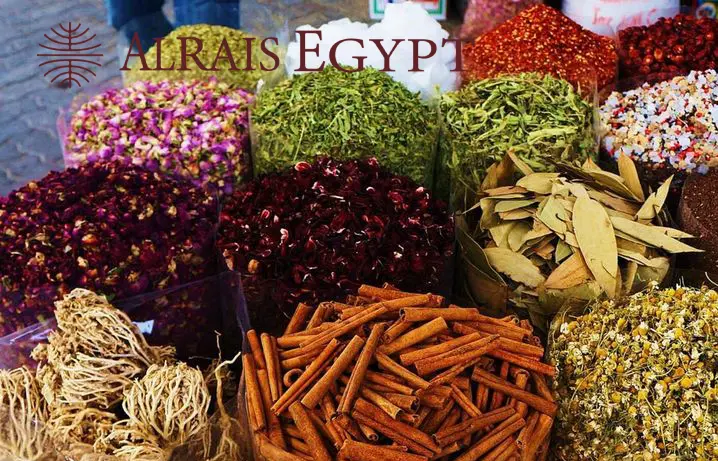
Egypt’s unique climate and fertile soil create the ideal environment for cultivating a wide range of aromatic and medicinal herbs. From Upper Egypt to the Nile Delta, the country produces herbs with strong aroma, natural color, and high oil content..all factors that international buyers seek in premium supply.
Additionally, Egypt has a long-standing heritage in herbal agriculture, giving exporters like Alrais Egypt the edge in experience, quality assurance, and efficiency.
What Are the Most Commonly Used Herbs in Global Trade?
When it comes to commonly used herbs in international markets, these are the top varieties sourced from Egypt:
Chamomile
Known for its calming effects and used widely in the pharmaceutical, wellness, and tea industries.
Hibiscus
Sought after for its bold flavor and natural red color. Widely used in teas, juices, and natural colorants.
Peppermint
High in essential oil content and flavor intensity. Used in food, beverages, personal care, and pharmaceuticals.
Spearmint
A milder alternative to peppermint. Frequently exported for use in chewing gums, teas, and essential oils.
Basil
An important culinary herb in both dried and essential oil forms.
Marjoram
A staple in herbal mixes for seasoning, especially in Middle Eastern and European cuisine.
Lemongrass
Increasingly used in teas and natural remedies.
All of these herbs are available in bulk, dried, crushed, or powdered, depending on buyer requirements.
Check-out the Herbs and spices Alrais Egypt exports
Quality Assurance: The Certificates That Matter
To meet global demand, it’s not enough to offer bulk quantities.
International buyers are highly focused on safety, sustainability, and traceability. That’s why Alrais Egypt ensures all commonly used herbs are grown, processed, and exported under strict certification standards.
Here are the key certificates we maintain, and what they mean for you:
ISO 22000
This certification guarantees that our food safety management system meets global standards, ensuring the herbs are safe for human consumption from farm to packaging.
follow us on linkedin for more info
HACCP (Hazard Analysis and Critical Control Points)
Ensures that we identify and control any food safety hazards throughout our entire production and export process.
Organic Certification (EU or USDA)
Verifies that our herbs are cultivated without synthetic pesticides or fertilizers, complying with international organic farming standards.
Global GAP (Good Agricultural Practices)
Confirms that we implement safe, sustainable farming practices, covering everything from water use to labor rights.
Fair Trade Certification (available upon request)
Demonstrates ethical labor practices and fair wages across our supply chain, a growing requirement for European buyers.
Each of these certifications reinforces our commitment to transparency, health standards, and sustainable practices.. values that matter to buyers around the world.
Logistics and Packaging: What to Expect
As a bulk supplier, Alrais Egypt understands that presentation and delivery are just as important as quality. That’s why we offer flexible, secure packaging tailored to your order size, destination, and product type.
Our most common export formats include:
- Polypropylene bags (25–50 kg)
- Paper bags with inner PE lining
- Vacuum-sealed pouches (for specialty clients)
- Custom labeling (private label option available)
We also provide shipping by sea or air based on urgency and destination.
All documentation, including certificates of origin and phytosanitary reports, are prepared and verified in-house.
Best Practices for International Buyers
If you’re sourcing commonly used herbs in bulk for the first time or expanding your supplier base, here are a few best practices to keep in mind:
- Request samples to verify quality, aroma, and moisture content.
- Check certifications and ask for the latest audits or reports.
- Understand lead times, especially for organic or customized processing.
- Ask about traceability from farm to shipment.
- Negotiate long-term contracts to secure price and supply stability.
Partnering with an experienced Egyptian exporter like Alrais ensures you’re working with a team that understands both local farming and international compliance.
Final Thoughts
Egypt remains one of the world’s most reliable sources for the bulk supply of commonly used herbs. Whether you’re in the food, pharmaceutical, wellness, or retail sector, choosing an experienced and certified supplier makes all the difference.
At Alrais Egypt, we’re committed to quality, transparency, and long-term partnerships. From chamomile to hibiscus and everything in between, we’ve got your bulk needs covered with unmatched consistency.
Frequently Asked Questions
Which herbs are most commonly exported from Egypt?
Chamomile, hibiscus, peppermint, spearmint, basil, marjoram, and lemongrass are among the top herbs Egypt exports in bulk.
Can I get customized packaging or private labeling?
Yes. Alrais Egypt offers flexible packaging options and private label services tailored to your brand and logistics needs.
What certificates do I need to look for when importing herbs?
Look for ISO 22000, HACCP, Organic Certification, and Global GAP. These ensure food safety, sustainability, and compliance with international standards.
